Mind, Body & Heart: All You Need to Know…
introduction
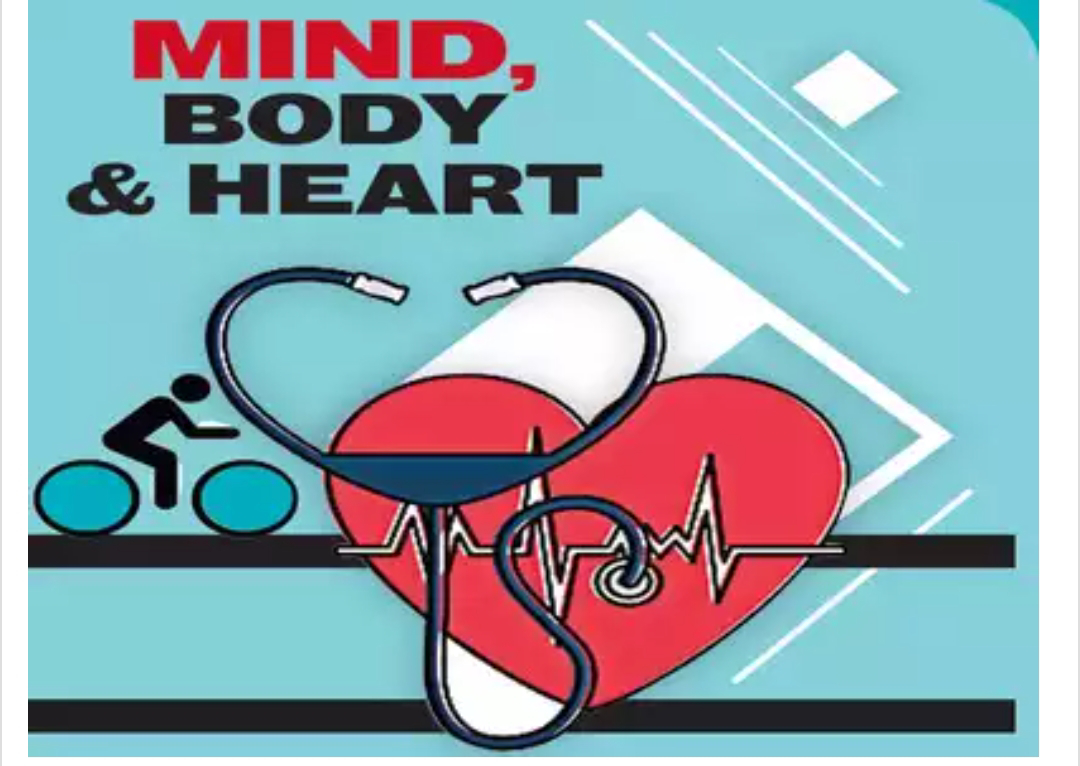
The relationship between the **mind, body, and heart** is an essential part of general wellness. The three are interdependent, with each affecting the others in powerful ways. Here's an overview of their dynamic and how to care for each for a balanced, healthy existence.
### **1. The Mind: Mental Well-Being**
- **Role:** The mind controls thoughts, feelings, and intellectual processes.
- **Impact on Health:** Stress, worry, and pessimistic thinking can make the immune system weak and lead to physical disease.
- **How to Nurture It:**
- Practice **mindfulness & meditation** to manage stress.
- Practice **positive self-talk** and mental exercises.
- Get help through therapy or counseling if necessary.
- Keep the mind engaged with learning and creativity.
### **2. The Body: Physical Health**
- **Function:** The body is the container that performs daily tasks and reacts to mental and emotional states.
- **Effect on Health:** Poor physical health (inadequate exercise, poor diet, lack of sleep) can result in mental tiredness and emotional instability.
- **How to Cultivate It:**
- Exercise regularly (**yoga, cardio, strength training**).
- Maintain a **healthy, balanced diet** (whole foods, hydration).
- Get **7-9 hours of quality sleep** each night.
- Refrain from unhealthy habits (smoking, excessive drinking).
### **3. The Heart: Emotional & Spiritual Wellness**
- **Role:** Represents emotions, love, compassion, and spiritual attachment.
- **Effect on Health:** Emotional strain (loneliness, anger, sorrow) causes heart disease, high blood pressure, and lowered immunity.
- **How to Foster It:**
- Develop **wholesome relationships** and interpersonal connections.
- Cultivate **kindness and gratitude**.
- Participate in activities that are a source of **fulfillment and joy**.
- Seek out **spiritual practices** (journaling, prayer, nature walks).
### **The Mind-Body-Heart Connection**
- **Stress Example:** Persistent stress (mind) → elevates cortisol → compromises immunity (body) → causes emotional exhaustion (heart).
- **Positive Example:** Meditation (mind) → reduces blood pressure (body) → enhances feelings of calm (heart).
### **Holistic Practices for Balance**
- **Yoga & Tai Chi** – Synthesizes movement, breath, and awareness.
- **Deep Breathing Exercises** – Serene's the mind and body.
- **Journaling** – Facilitates sorting out of emotions and thoughts.
- **Nature Therapy** – Eases stress and enhances mood.
### **Final Thought**
Real well-being originates from **balancing the mind, body, and heart**. By cultivating all three, you build a platform for sustainable health, joy, and resiliency.
Would you like personalized advice on certain practices for your situation? ????


Comments
Post a Comment